Bridging the Gap: Merging Traditional Practices with Modern Land Clearing Innovations Feb 15, 2026
Traditionally, land clearing relied heavily on manual labor and basic machinery, with methods such as slashing and burning being common. While these practices were effective in their time, they often led to significant environmental degradation and posed safety risks to workers. Today, however, the industry has shifted toward more sustainable approaches that align with eco-friendly standards and regulatory requirements.
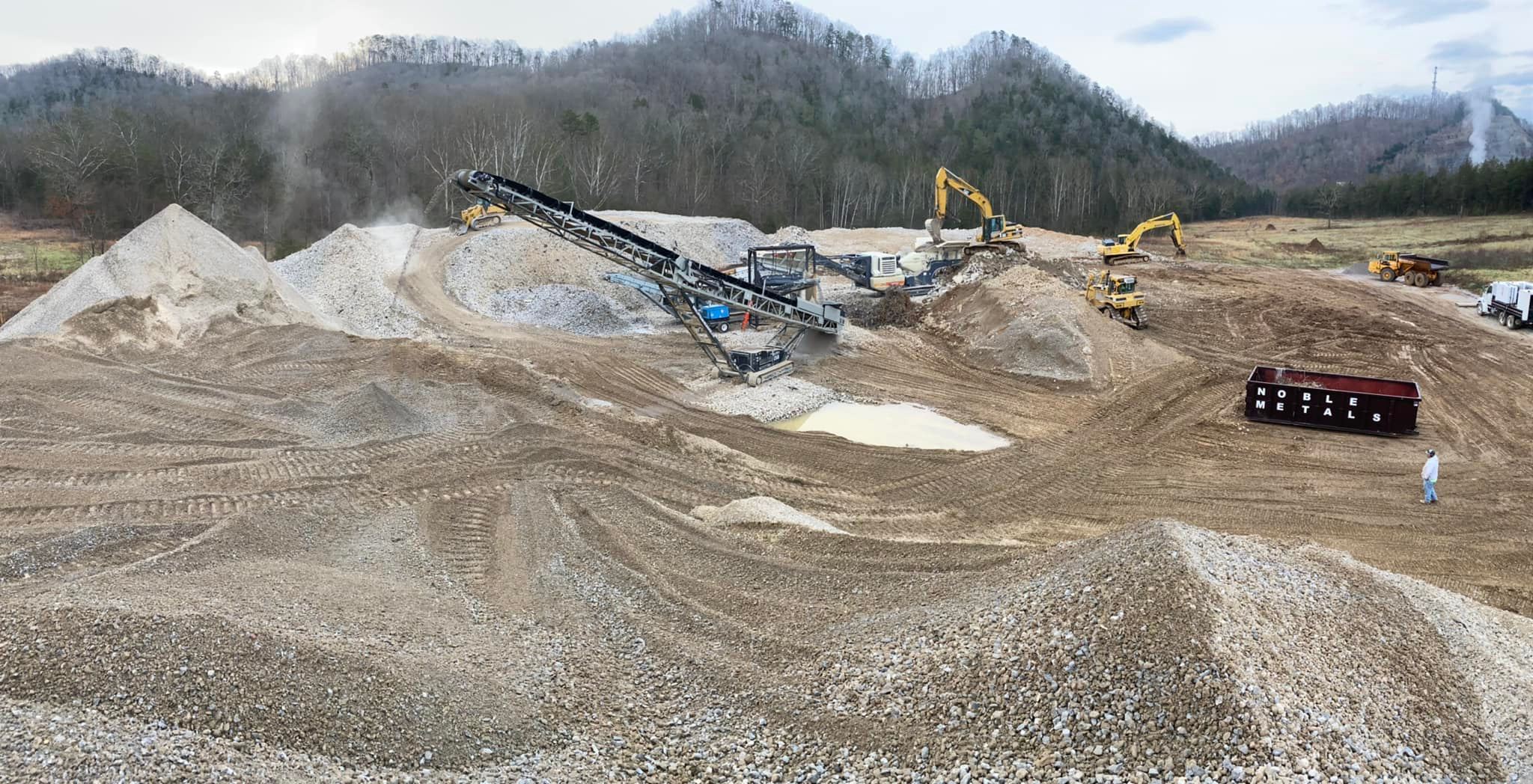
One of the most significant innovations in modern land clearing involves the use of advanced machinery like mulchers and hydro-axes. These machines efficiently clear extensive areas of land while minimizing soil disturbance and preserving the natural ecosystem. By grinding vegetation into mulch, these machines not only clear land quickly but also enhance soil fertility, providing a foundation for future vegetation growth.
Moreover, the integration of Geographic Information Systems (GIS) has revolutionized how companies plan land-clearing projects. With GIS technology, Legacy Land Clearing can accurately assess the land's topography, soil type, and vegetation density before starting a project. This data-driven approach ensures that the clearing is done in a targeted manner, reducing unnecessary disruption and preserving natural habitats.
Sustainability is further enhanced by adopting practices such as selective tree cutting and reforestation. In adopting selective tree cutting, Legacy Land Clearing ensures that only necessary vegetation is removed, preserving valuable tree species and maintaining biodiversity. Following clearance, reforestation efforts allow for ecological restoration, replacing what has been removed and fostering an environment where wildlife can thrive.
Another aspect of blending traditional techniques with modern innovations is improving safety standards. Traditional land clearing practices often lacked robust safety measures, putting workers at risk. Modern practices prioritize worker safety by employing state-of-the-art equipment designed with safety features such as rollover protection systems and advanced operator training programs. These advancements significantly reduce workplace accidents and injuries.
Collaboration is also key to successful land-clearing operations in the modern age. By working closely with environmental agencies, local communities, and other stakeholders, Legacy Land Clearing can ensure projects are completed sustainably and responsibly. This collaboration helps in addressing any environmental concerns and offers opportunities for local employment, benefiting the community as a whole.
Ultimately, the fusion of traditional practices with modern innovations in land clearing offers numerous benefits. It fosters a sustainable approach that respects both the environment and the needs of the community, all while enhancing operational efficiency and safety. For Legacy Land Clearing, the commitment to integrating these practices is paramount in meeting client expectations and maintaining industry leadership.
In conclusion, as the land clearing industry continues to evolve, the emphasis on merging traditional methods with modern innovations remains critical. By doing so, companies like Legacy Land Clearing not only enhance their service offering but also contribute positively to environmental stewardship. This balanced approach ensures that land clearing is conducted with the utmost care, promoting a prosperous future for nature and mankind alike. As innovation continues to advance, so too will the strategies for responsible land management.
/filters:no_upscale()/filters:format(webp)/media/0d7b1709-7e6e-4c0e-9857-46f95691e788.jpg)
/filters:no_upscale()/filters:format(webp)/media/26d49331-8767-4bf0-8de5-07630ccbb469.jpg)