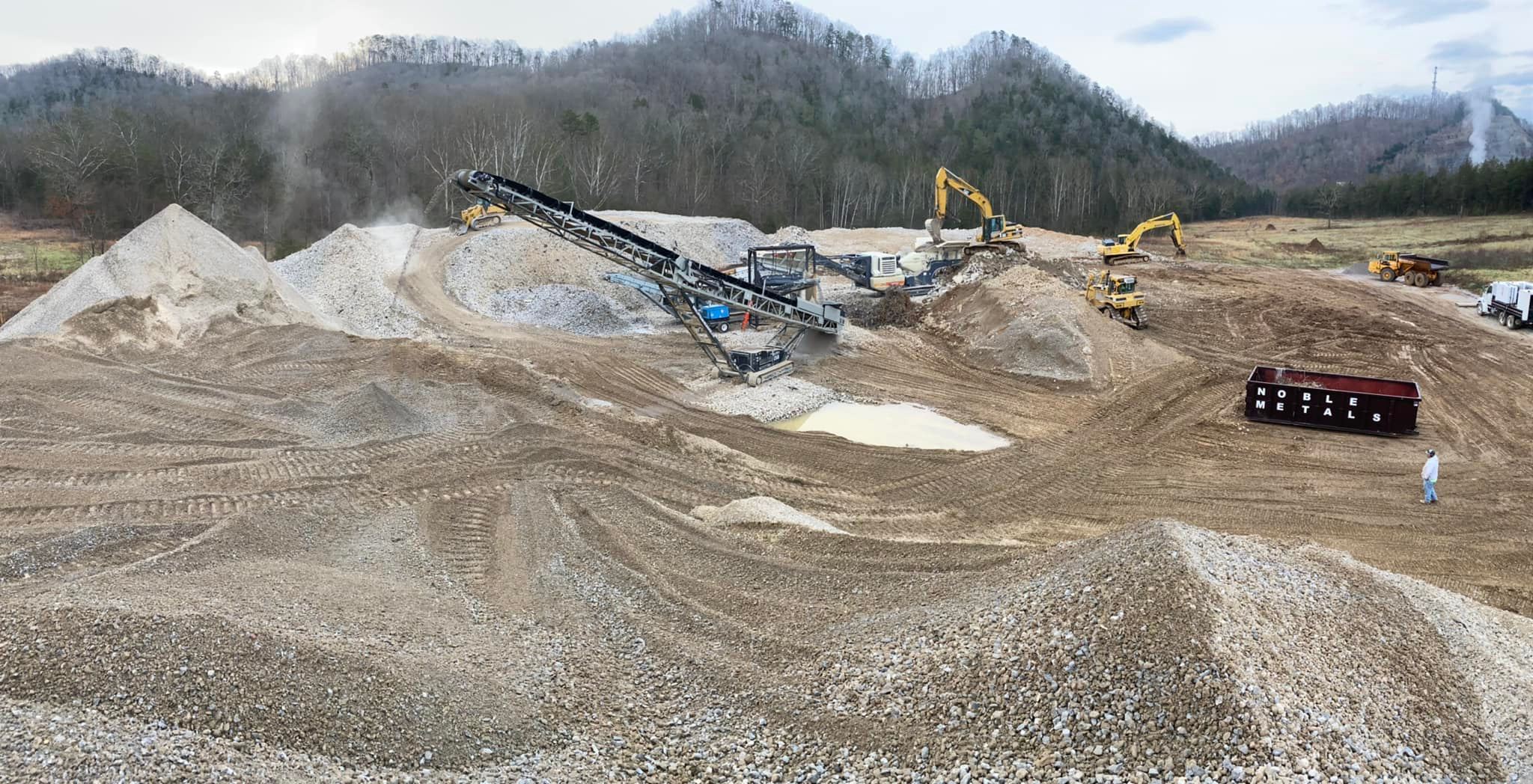
Strategic Land Clearing: Paving the Way for Advanced Agricultural Projects Apr 17, 2026
The agricultural industry is no stranger to the complexities associated with land management. With increasing demand for sustainable practices, landowners must ensure that their land clearing methods align with environmental goals while maximizing land usability. Strategic land clearing is not just about clearing; it's about doing so in a way that maintains ecological balance, encourages soil health, and maximizes future agricultural output.
In the initial stages of planning an agricultural project, understanding the land’s topography, soil type, and existing vegetation is crucial. A strategic approach to land clearing starts with a detailed assessment of these factors. Legacy Land Clearing employs comprehensive site evaluations to determine the best methods for clearing the land. This includes identifying which trees and vegetation should be preserved to protect soil structure and prevent erosion.
Once the assessment is complete, creating a customized land clearing plan is vital. Such a plan addresses specific needs of the land and the intended agricultural project. Techniques such as selective clearing, where only certain trees are removed, or controlled burns to clear brush and improve soil health, are examples of strategic approaches. These methods not only prepare the land for immediate use but also ensure it remains fruitful for future agricultural endeavors.
Implementing a strategic land clearing plan also involves considering the methods of debris removal. Sustainable disposal or repurposing of cleared organic material, like mulching trees for soil enrichment, is preferred. This practice supports environmental sustainability by reducing waste and contributing to the nutrient profile of the soil.
Another significant aspect of strategic land clearing that Legacy Land Clearing emphasizes is managing ecological impacts. Abiding by local environmental regulations and using eco-friendly clearing equipment and processes minimize the carbon footprint and preserve the natural habitat. This not only helps protect local wildlife but also supports sustainable farming practices, crucial for the longevity of agricultural efforts.
The conclusion of a land clearing project should leave the land in a state ready for immediate use and long-term productivity. Strategic land clearing thus ensures that associated agricultural projects can proceed without hindrance and stand the test of time. The result is land poised for enhanced crop yield and more effective land use.
For customers of Legacy Land Clearing, engaging in strategic land clearing means more than just clearing space; it’s about setting the stage for agricultural success. Efficient, sustainable, and tailored to meet the unique needs of the land, this process is the foundation of successful farming projects.
In conclusion, those considering embarking on agricultural endeavors should view strategic land clearing as an integral part of their planning process. Not only does it ensure the maximum potential of the land is harnessed, but it also aligns with sustainable practices that are increasingly demanded by modern agricultural standards. By selecting a professional service like Legacy Land Clearing, landowners can trust they are choosing an approach that values precision, sustainability, and productivity.
/filters:no_upscale()/filters:format(webp)/media/0d7b1709-7e6e-4c0e-9857-46f95691e788.jpg)
/filters:no_upscale()/filters:format(webp)/media/26d49331-8767-4bf0-8de5-07630ccbb469.jpg)